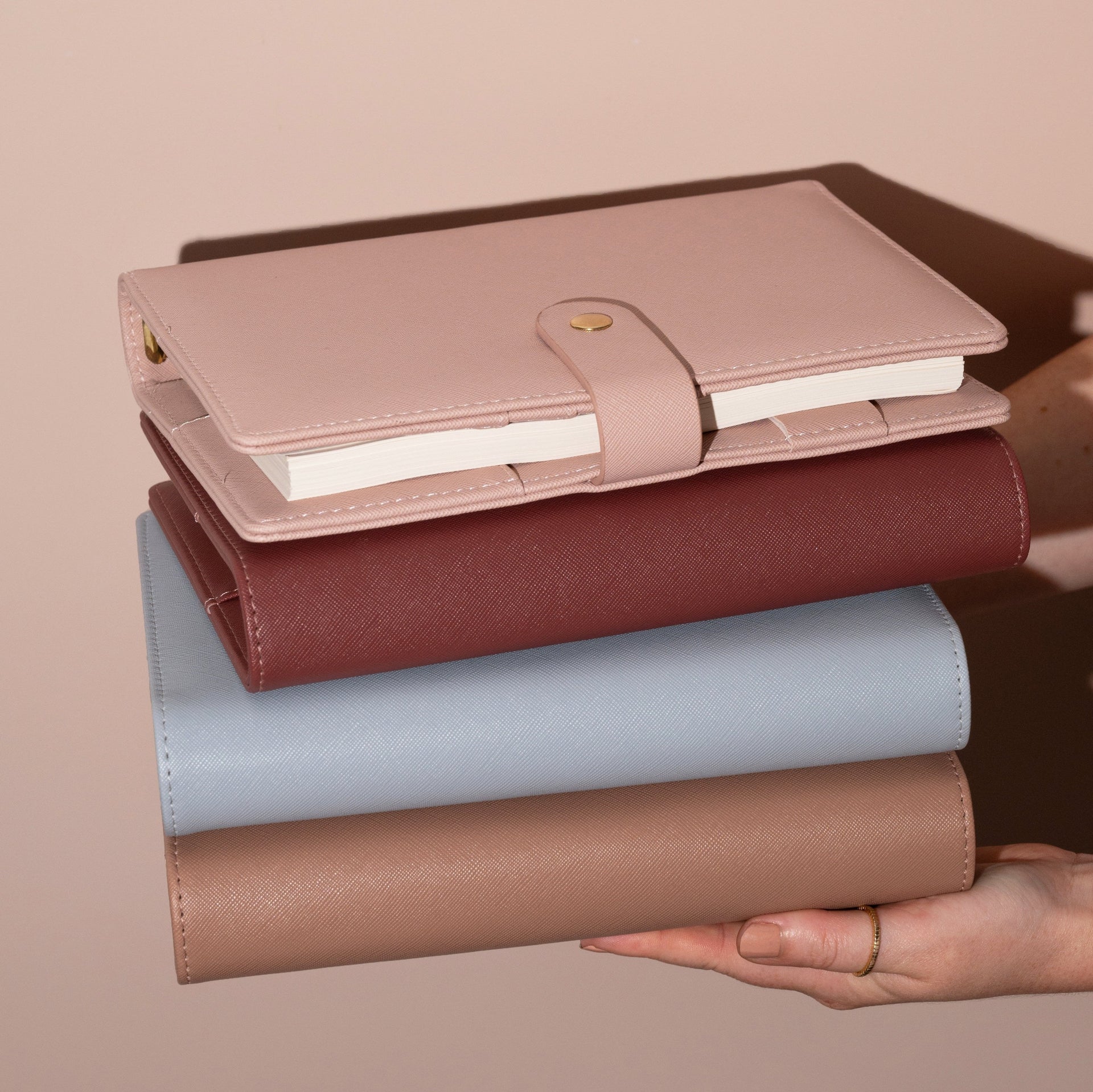
Planning is becoming increasingly intentional as people look for practical ways to organize schedules, goals, projects, and everyday priorities. The latest stationery trends show that flexibility and personalization are now central to modern planning. 2026 planner inserts are emerging as a particularly strong trend because they allow users to refresh their planning system without replacing an entire planner. For Faye Co Papier, this growing interest reflects a wider movement toward beautifully organized stationery that combines functionality with individual style.
The Rise of Flexible Planning
One of the most noticeable planning trends for 2026 is flexibility. Traditional fixed layouts can work well for consistent routines, but modern schedules often change from week to week. Refillable and interchangeable inserts give users the freedom to adjust their planning system according to current needs.
This flexibility is especially valuable for professionals, students, entrepreneurs, creatives, and anyone managing several areas of daily life. A planner can be adapted as priorities evolve, making organization feel more relevant throughout the year.
Personalization Becomes a Planning Priority
Personalization continues to influence stationery preferences. Rather than following one standard layout, users increasingly want planning pages that reflect how they naturally organize information.
Different insert formats can support different planning styles. Some users prefer spacious daily pages, while others appreciate weekly overviews, goal-focused sections, notes pages, or dedicated project layouts. This variety makes it possible to create a planning system that feels genuinely personal.
The trend also extends to visual presentation. Coordinated colors, clean typography, decorative details, and carefully arranged sections can turn planning into a more enjoyable creative routine.
Functional Layouts Gain Momentum
The strongest planner trends are not based on appearance alone. Functionality remains a major factor in purchasing decisions. Users increasingly value layouts that make information easy to scan and priorities simple to identify.
A well-designed insert can help separate appointments, tasks, notes, goals, and important reminders. Clear spacing and purposeful sections reduce visual distractions while giving each piece of information an appropriate place.
This practical approach supports a more efficient planning experience without sacrificing aesthetic appeal.
Goal Planning Takes a Bigger Role
Goal-oriented inserts are also gaining attention as people place greater emphasis on intentional productivity. Annual objectives can be divided into monthly targets, weekly actions, and daily priorities, creating a visible connection between long-term ambitions and everyday progress.
Research across productivity habits consistently emphasizes the value of breaking larger objectives into manageable actions. Planner inserts support this approach by giving users dedicated spaces to record milestones, review progress, and maintain momentum.
Minimalism Meets Creativity
Another important trend for 2026 is the balance between minimalist organization and creative expression. Clean layouts provide structure, while small decorative touches allow users to make their pages distinctive.
This combination creates a planning style that feels polished without becoming overwhelming. It also makes inserts suitable for a wide range of preferences, from understated professional layouts to colorful and expressive planning pages.
Sustainability and Reusability Influence Choices
Reusable planning systems are becoming increasingly appealing because they offer a practical alternative to replacing a complete planner every year. Users can retain a favorite cover or binder while updating only the pages they need.
This approach can also encourage more thoughtful stationery consumption. Instead of committing to one fixed format, planners can evolve gradually as routines and requirements change.
Faye Co Papier and the 2026 Planning Movement
Faye Co Papier represents the growing appreciation for stationery that combines organization, visual appeal, and personal expression. As planning habits continue to evolve, carefully designed inserts can help users build systems that are both attractive and useful.
The broader 2026 trend is clear: planners are becoming more adaptable, personalized, and purpose-driven. Inserts are no longer simply replacement pages; they are becoming an essential part of creating a planning system tailored to modern lifestyles.
Conclusion
The 2026 planner landscape is defined by flexibility, personalization, functionality, and creative organization. Users are looking for planning solutions that adapt to their schedules rather than forcing their routines into rigid formats. With customizable layouts, goal-focused pages, reusable systems, and stylish presentation, planner inserts are well positioned to remain one of the most influential stationery trends of 2026. Faye Co Papier fits naturally within this positive shift, helping make everyday planning more organized, personal, and inspiring.
