
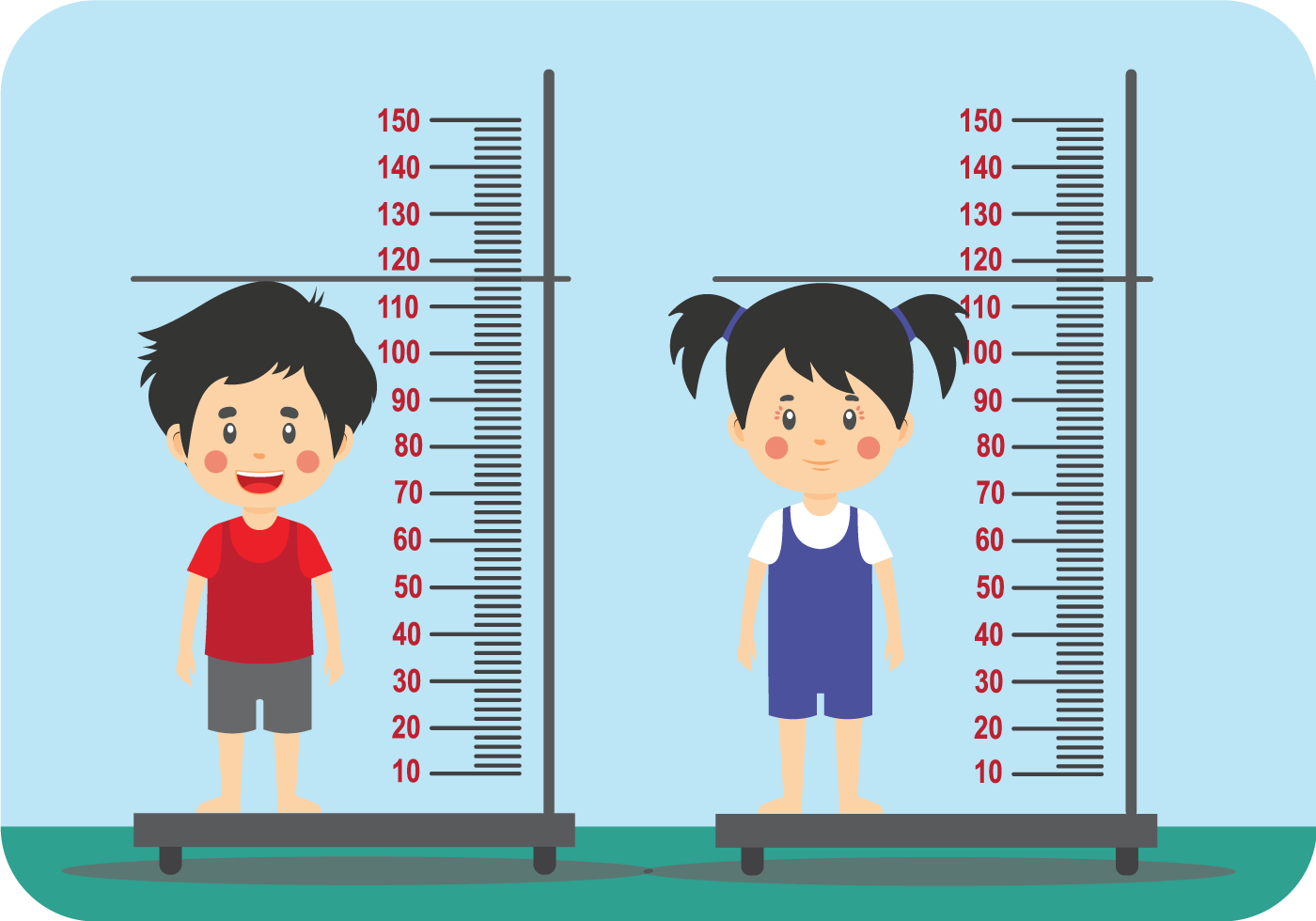
Growth is one of the clearest signs that a child is developing well. But when growth slows or falls behind family patterns, parents are often left with questions. The following guide answers the most common ones in a clear, fact-driven format—helping you understand when hgh for kids may be appropriate and what results to expect.
What is growth hormone, and why does it matter for height?
Human growth hormone (HGH) is produced by the pituitary gland and released in pulses, mostly during deep sleep. It signals the liver to produce IGF-1, which stimulates the growth plates at the ends of long bones. These plates allow bones to lengthen during childhood and adolescence. When HGH levels are too low, these signals weaken—and a child’s growth slows.
When should parents consider HGH for kids as a treatment option?
Doctors focus on growth velocity rather than height alone. A pediatric evaluation may be recommended if a child grows less than 2 inches per year after age 4, drops percentiles on the growth chart, or shows delayed puberty. Timing is critical: growth plates eventually close during late puberty, after which height can no longer increase. Roughly 1 in every 4,000 to 10,000 children is affected by growth hormone deficiency, making early evaluation valuable.
How is growth hormone deficiency diagnosed?
HGH therapy is never started casually. Diagnosis follows a structured process that includes:
Growth chart analysis to review long-term trends
Laboratory testing, including IGF-1, IGFBP-3, and thyroid function
Bone age X-ray of the wrist to assess skeletal maturity
Stimulation testing in select cases to confirm deficiency
Delayed bone age often signals additional growth potential remains.
What does HGH therapy actually involve?
HGH therapy uses a bioidentical form of growth hormone—structurally identical to what the body produces naturally. It is given through a daily subcutaneous injection, usually at night to match the body’s natural hormone rhythm. Unlike over-the-counter supplements, injectable HGH directly replaces the missing hormone signal needed for growth.
How quickly does HGH therapy produce results?
Most children show increased growth velocity within 3 to 6 months. Significant catch-up growth often occurs during the first 1 to 2 years of treatment. Results vary based on age at initiation, severity of deficiency, the underlying cause, and how consistently the therapy is followed. Treatment generally continues until growth plates close or the child reaches their predicted height potential.
Is HGH therapy safe for children?
When prescribed appropriately and supervised by experienced clinicians, HGH therapy has a long-established safety record in pediatrics. Mild, temporary side effects can include injection site irritation, joint discomfort, mild swelling, or headaches. Serious complications are rare when therapy is medically indicated and properly monitored every few months for height, body composition, IGF-1 levels, and thyroid function.
Will treatment make a child taller than normal?
No. The goal is not extraordinary height. HGH therapy helps a child reach their genetically predicted height by restoring normal development. As Dr. Devin Stone, ND notes, “The goal is not to create extraordinary height—it’s to restore normal development.”
Can supplements replace prescription HGH?
No. Over-the-counter products cannot replicate the effects of prescription HGH therapy. Only injectable, bioidentical growth hormone can directly replace the deficient hormone signal.
What else supports healthy growth?
Medication works best alongside healthy habits. Three factors stand out:
Sleep: Deep sleep drives hormone activity, so children should get 9 to 11 hours nightly.
Nutrition: Protein, vitamin D, calcium, zinc, and iron support bone growth and hormone function.
Physical activity: Regular exercise strengthens bones and supports growth signaling.
Why does early intervention matter so much?
Once growth plates fuse, height can no longer increase. Therapy is most effective when started before or early in puberty, while growth plates remain open and growth velocity has clearly slowed. Earlier intervention, when medically appropriate, can meaningfully improve outcomes.
Taking the next step for your child’s growth
Growth concerns deserve careful attention rather than guesswork. The right approach depends on accurate diagnosis, early intervention, and consistent monitoring. Not every short child has a deficiency—but identifying abnormal growth velocity early gives families the best chance to act while treatment can still help.
If your child’s growth has slowed, dropped on the chart, or seems inconsistent with family patterns, a comprehensive pediatric evaluation is the best place to start. Speak with a qualified growth specialist to determine whether observation, lifestyle changes, or medical therapy is the right path forward.
