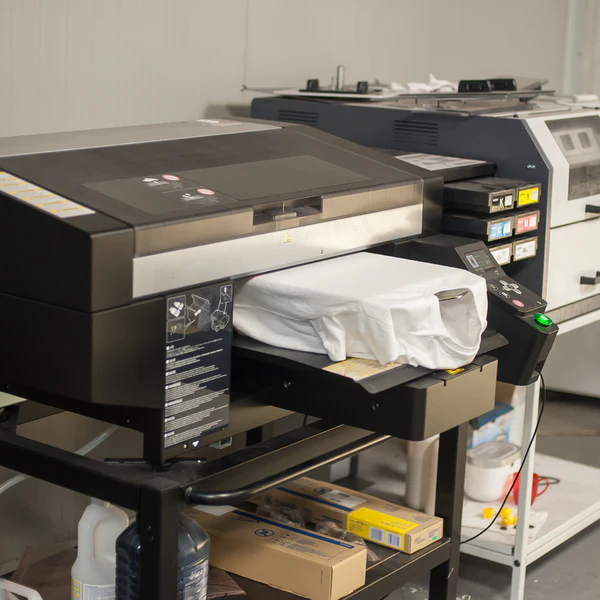
When it comes to the world of printing, two technologies are making waves in the industry: dft printer vs sublimation printer. Both offer unique advantages and cater to different needs, making it important for businesses and individuals to understand which technology best suits their requirements. Whether you are in the custom apparel business or involved in creating promotional products, knowing the strengths and limitations of these two methods can help you make an informed decision.
What is DFT Printing?
Direct-to-Film printing, or DFT, involves printing designs onto a special film and then transferring them onto the desired surface using heat and pressure. Unlike traditional printing methods, DFT allows for high-quality, vibrant images to be transferred onto a wide range of materials, such as fabrics, wood, ceramics, and metals. The key advantage of DFT printing is its ability to handle complex, multi-colored designs with precision, making it ideal for printing on dark or light-colored fabrics. It also offers fast turnaround times and minimal setup costs, which makes it a great choice for short-run production.
What is Sublimation Printing?
Sublimation printing is a dye-based process where heat is used to turn solid dye into a gas, which then permeates the fabric, creating vibrant, long-lasting colors. This method works best on polyester fabrics or specially coated materials. The dye bonds with the fabric on a molecular level, resulting in a smooth, durable finish that won’t crack, peel, or fade over time. One of the biggest benefits of sublimation printing is its ability to create full-color, seamless designs that look professional on custom apparel, mugs, phone cases, and other promotional products.
Choosing the Best Printing Technology
When deciding between DFT and sublimation printing, it’s essential to consider the following factors:
Material Compatibility: DFT printing is highly versatile and can be used on various materials, making it suitable for a wide range of applications. Sublimation, on the other hand, works best on polyester fabrics and specific substrates. If you need to print on a variety of materials, DFT may be your best option.
Color and Design Quality: Sublimation printing delivers vibrant, full-color designs with exceptional clarity and detail. However, it can be limited by the fabric’s color (light-colored fabrics work best). DFT printing, meanwhile, excels in printing fine details and multiple colors onto a variety of fabrics, including both light and dark materials.
Durability: Sublimation offers excellent durability because the dye becomes part of the fabric itself, making it resistant to fading and wear. DFT prints, while durable, may require special care to prevent peeling or cracking, especially on fabrics subjected to heavy wear.
Conclusion
Both DFT and sublimation printing offer distinct advantages, depending on your specific needs. If you are looking for versatility and the ability to print on a variety of surfaces, DFT might be the right choice for you. If you are focused on producing vibrant, long-lasting designs on polyester materials, sublimation could be the better option. By understanding the differences between these two printing technologies, you can ensure that your business or personal project is equipped with the right solution for your printing needs.
