
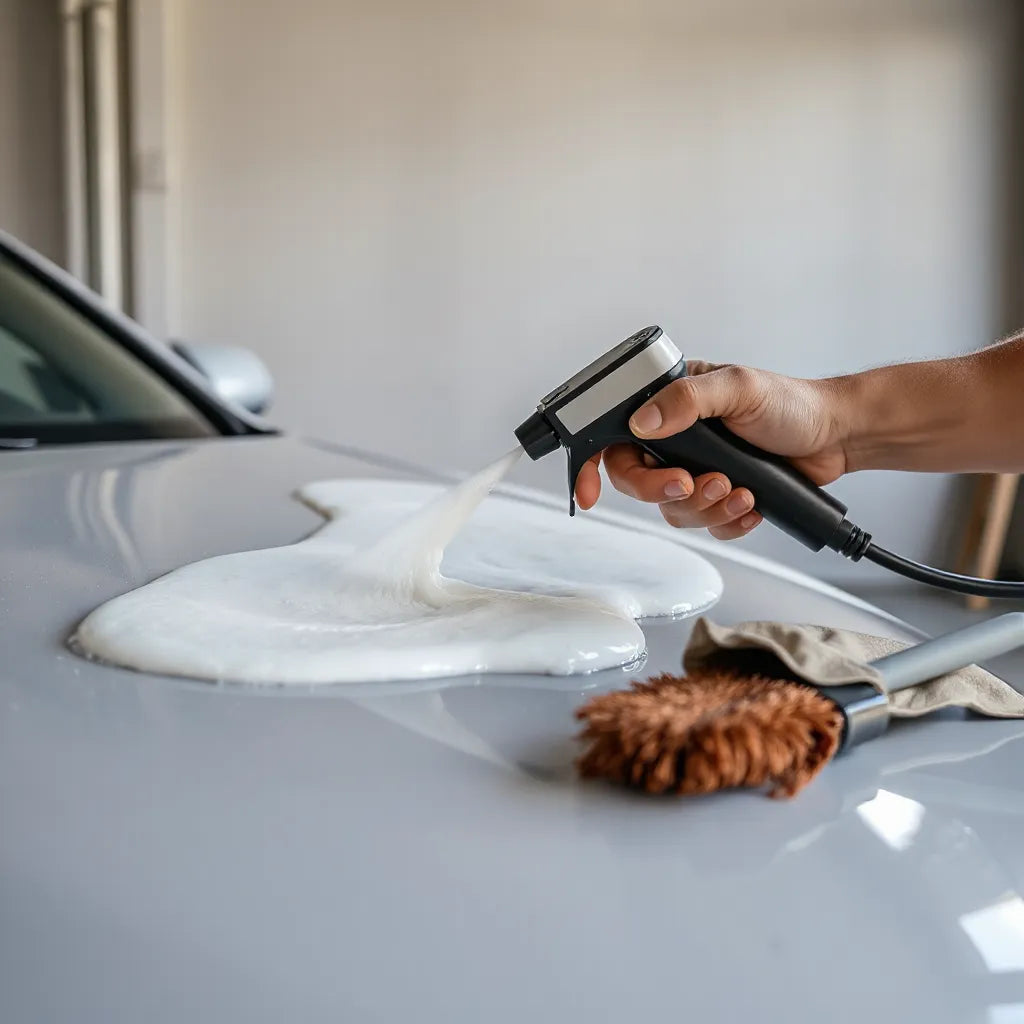
Keeping a vehicle clean is about more than appearance. Dirt, road salt, tree sap, and environmental contaminants can gradually damage paintwork if they are not removed properly. Industry research suggests that regular exterior maintenance can help preserve a vehicle’s finish and contribute to stronger resale value over time. Choosing the right cleaning tools is equally important because improper materials may leave scratches or swirl marks. Investing in a car wash kit designed for safe and effective cleaning gives vehicle owners a practical solution for maintaining a professional-looking finish while reducing unnecessary wear on exterior surfaces.
Why Is Regular Vehicle Washing So Important?
Routine washing removes harmful contaminants before they become embedded in the paint. Dust particles may seem harmless, but when mixed with moisture and road grime, they can act like abrasives against the clear coat. Bird droppings, insect residue, and tree sap also contain compounds that may damage paint if left untreated for extended periods.
Automotive care studies indicate that washing a vehicle every two to four weeks, depending on driving conditions, helps minimize long-term paint deterioration and keeps protective coatings functioning effectively.
What Should a Complete Car Wash Kit Include?
A well-equipped cleaning kit contains tools that work together to deliver safe and efficient results. Rather than relying on household cleaning supplies, specialized automotive products are designed specifically for vehicle finishes.
Essential components often include:
Microfiber wash mitts
Soft drying towels
pH-balanced car shampoo
Wash buckets with grit protection
Wheel cleaning brushes
Tire cleaning accessories
Glass cleaning cloths
Interior detailing towels
Each item serves a specific purpose, helping reduce the risk of scratches while improving overall cleaning performance.
How Does Proper Equipment Reduce Paint Damage?
Paint damage frequently occurs during the washing process rather than while driving. Dirty sponges, rough towels, or improper brushes may trap debris that scratches the vehicle’s clear coat.
Microfiber materials are widely recommended because they lift dirt away from the surface instead of dragging abrasive particles across the paint. Using separate tools for wheels and painted surfaces also minimizes contamination from brake dust and road debris.
These simple practices significantly reduce swirl marks that often become visible under direct sunlight.
What Do Vehicle Care Statistics Show?
Several automotive detailing reports highlight the growing interest in proper vehicle maintenance:
Millions of vehicles are washed every week across residential and commercial settings.
Consumer spending on automotive appearance products continues to grow annually.
Microfiber cleaning technology has become one of the most preferred materials among professional detailers.
Vehicle owners increasingly invest in preventive maintenance to preserve resale value rather than paying for expensive paint correction later.
These trends demonstrate that preventative care remains one of the most cost-effective approaches to vehicle ownership.
How Often Should Exterior Cleaning Be Performed?
Cleaning frequency depends largely on climate and driving habits.
Vehicles exposed to coastal environments, muddy roads, construction zones, or winter road salt generally require more frequent washing. Those parked outdoors also accumulate contaminants faster than garage-kept vehicles.
Many automotive maintenance professionals recommend:
Weekly washing for harsh environments
Every two weeks for regular daily driving
Monthly washing for lightly used vehicles stored indoors
Maintaining a consistent schedule helps prevent stubborn buildup that becomes more difficult to remove.
Can Proper Washing Extend Vehicle Appearance?
Yes. Consistent maintenance preserves several important exterior components beyond the paint itself.
Regular cleaning helps protect:
Clear coat finish
Chrome trim
Alloy wheels
Plastic exterior moldings
Headlights
Windows
Protective wax or ceramic coatings
Removing contaminants before they cause permanent staining allows protective products to perform more effectively throughout the year.
Is DIY Washing a Practical Choice?
Many vehicle owners choose home washing because it provides greater control over products, equipment, and cleaning techniques.
A dedicated washing routine also allows owners to inspect the vehicle closely for:
Small paint chips
Tire wear
Glass damage
Loose trim
Fluid leaks
Early signs of corrosion
Detecting these issues early may reduce future repair costs while keeping the vehicle in better mechanical and cosmetic condition.
How Can Owners Achieve Professional-Level Results?
Professional-quality cleaning begins with patience and proper technique rather than expensive equipment alone.
Useful practices include:
Washing in shaded areas
Using clean microfiber towels
Rinsing thoroughly before scrubbing
Cleaning from top to bottom
Frequently rinsing wash mitts
Drying immediately after rinsing to reduce water spots
Following these steps helps produce a cleaner finish while minimizing surface damage.
Why Is Preventive Vehicle Care Worth the Investment?
Vehicle ownership involves ongoing maintenance, and appearance plays an important role in preserving overall value. Regular washing protects exterior surfaces from contaminants that gradually weaken paint protection and diminish visual appeal. With the right tools and consistent care, owners can maintain a cleaner, glossier finish throughout every season.
A complete washing routine is not simply about keeping a vehicle shiny—it represents a proactive approach to long-term maintenance. Using quality automotive cleaning products alongside proper techniques helps reduce paint damage, improve durability, and maintain a vehicle’s condition for years to come. Whether maintaining a new vehicle or preserving an older one, adopting a structured cleaning routine remains one of the simplest and most effective ways to protect a valuable investment.
