
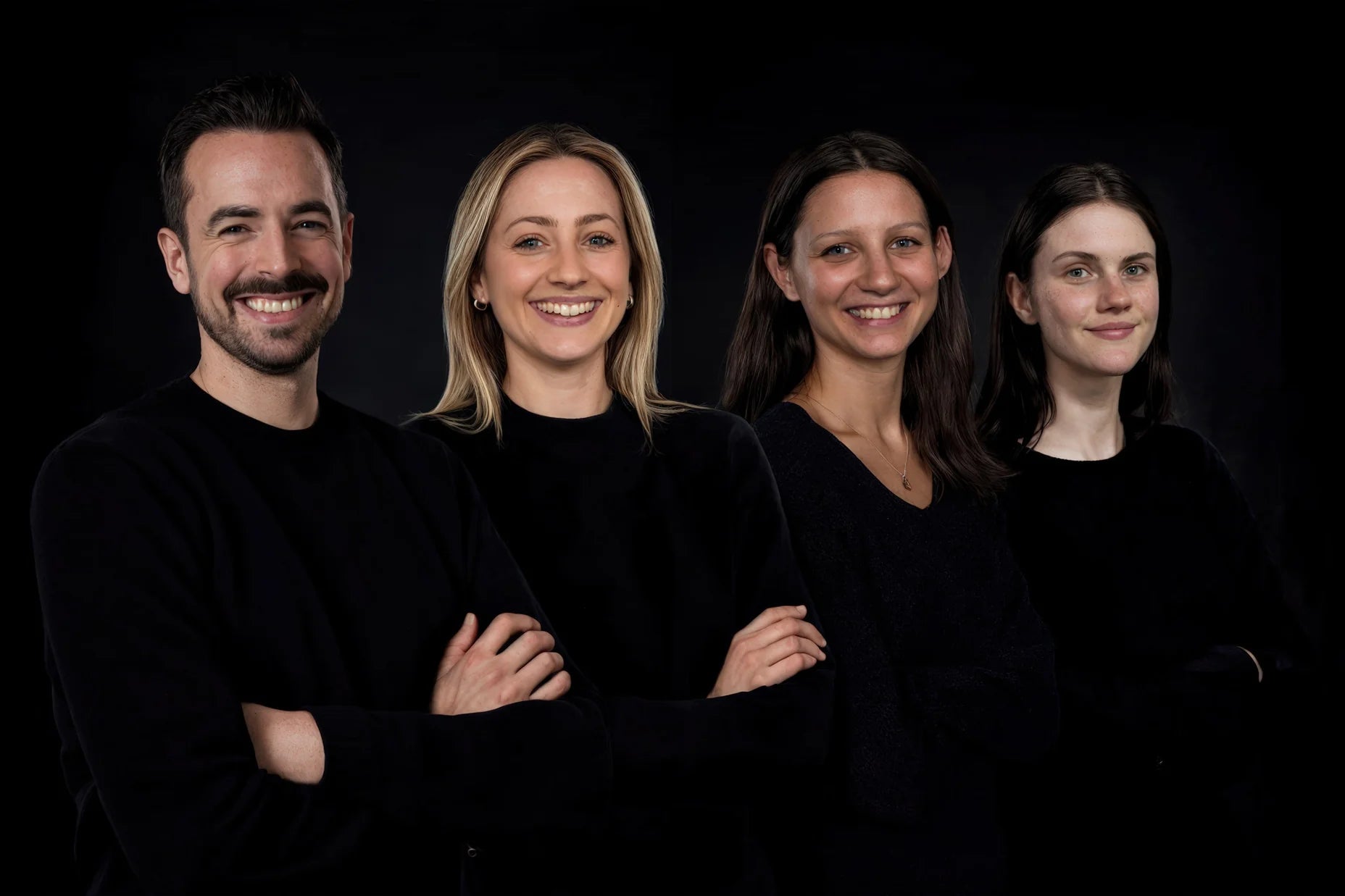
Finding the right orthodontic care for your family is one of the most important health decisions you’ll make. Munich is home to a wide range of Orthodontist Munich (Kieferorthopäde München), but knowing what to look for—qualifications, technology, patient reviews, and treatment options—can make the process far less overwhelming. This guide walks you through everything you need to know before booking your first appointment.
What Qualifications Should an Orthodontic Specialist in Munich Have?
A qualified orthodontic specialist must hold a recognized dental degree followed by a specialized postgraduate qualification in orthodontics. In Germany, this typically means completing an additional two to three years of residency training in orthodontics after dental school. Look for practitioners who are members of the Deutsche Gesellschaft für Kieferorthopädie (DGKFO)—Germany’s leading professional body for orthodontic specialists—as membership signals a commitment to ongoing education and ethical practice.
Beyond credentials, consider how long the practice has been operating and whether the specialist regularly attends professional development courses. Orthodontics evolves quickly, and staying current with the latest techniques matters.
How Do Treatment Options Compare Across Munich Orthodontic Practices?
Modern orthodontic care offers far more than traditional metal braces. Today’s patients can choose from:
Fixed metal braces: The most time-tested option, ideal for complex cases
Ceramic braces: Tooth-colored brackets that blend with natural enamel
Lingual braces: Attached to the back of the teeth, completely invisible from the front
Clear aligners: Removable, transparent trays suited to mild to moderate alignment issues
According to the German Dental Association, demand for clear aligner treatments has grown by more than 30% across German cities over the past five years. A reputable practice will explain which option suits your specific case rather than defaulting to one solution for all patients.
What Should Families Ask During an Initial Orthodontic Consultation?
The first consultation sets the tone for your entire treatment journey. Come prepared with these questions:
How many cases similar to mine have you treated?
What diagnostic tools do you use (e.g., 3D imaging, digital X-rays)?
What is the estimated treatment duration and total cost?
Are payment plans available?
How often will follow-up appointments be required?
A trustworthy specialist will answer each question clearly, provide written treatment plans, and never pressure you into a decision on the spot.
How Much Does Orthodontic Treatment Cost in Munich?
Costs vary significantly based on the complexity of the case and the type of treatment chosen. As a general guide:
Basic fixed braces: €2,500–€4,500
Ceramic braces: €3,000–€5,500
Clear aligner therapy: €3,500–€6,500
Lingual braces: €5,000–€8,000+
German statutory health insurance (gesetzliche Krankenversicherung) typically covers a portion of orthodontic treatment for children and adolescents under 18, provided the case meets defined severity criteria. Adults generally bear the full cost privately. Always request a detailed cost breakdown before treatment begins.
Why Does the Practice’s Technology Matter When Choosing a Specialist?
Digital diagnostics have transformed how orthodontic cases are assessed and monitored. Practices using intraoral scanners, cone beam computed tomography (CBCT), and digital treatment planning software can offer more precise diagnoses and more predictable outcomes. These tools also reduce patient discomfort by eliminating the need for traditional dental impressions.
When visiting a practice, ask whether they use digital scanning technology. It is a reliable indicator of a practice that invests in patient care.
Making the Right Choice for Your Family
Selecting an orthodontic specialist is not a decision to rush. Prioritize qualifications, transparent pricing, modern diagnostic tools, and clear communication. Reading verified patient reviews on platforms like Google or Jameda can also give you a realistic picture of what to expect.
Most importantly, trust how the practice makes you feel during the consultation. Warmth, clarity, and professionalism should be evident from the very first visit.
