
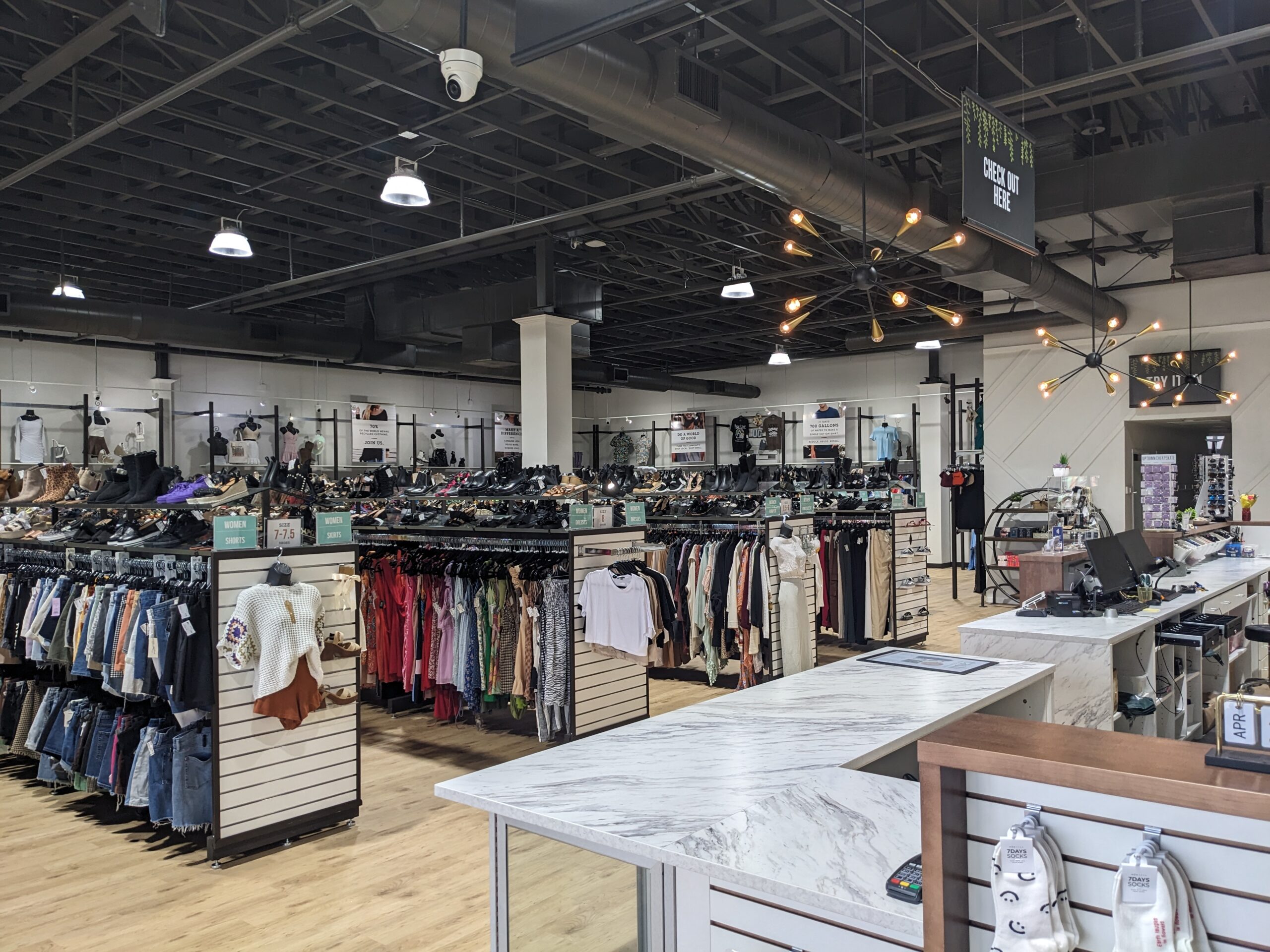
Thrifting has moved well beyond bargain hunting. It has become a lifestyle choice embraced by fashion-forward individuals, sustainability advocates, and savvy shoppers alike. The practice of thrifting — shopping at secondhand stores, consignment shops, and resale markets — has grown into a global movement that rewards patience, creativity, and a sharp eye for quality. Whether you are new to secondhand shopping or looking to refine your approach, understanding the fundamentals can completely transform your experience.
What Makes Thrifting So Appealing Today?
The appeal of secondhand shopping is deeply rooted in both practicality and purpose. Shoppers are increasingly drawn to the idea of finding high-quality, unique pieces that cannot be replicated on a mass-market shelf. Each visit to a thrift store offers something different — a rotating inventory that keeps the experience fresh and exciting. Beyond the thrill of discovery, there is a growing awareness around mindful consumption. People are thinking more critically about what they buy, how it was made, and where it ends up after use. Secondhand shopping fits naturally into that mindset.
How Does Thrifting Benefit the Environment?
Every secondhand purchase extends the life of a garment or household item. When products are reused rather than discarded, they stay out of landfills longer. The textile industry is one of the most resource-intensive sectors globally, and choosing pre-owned clothing directly reduces demand for new production. Secondhand shopping also cuts down on the energy and raw materials required to manufacture new goods. Choosing a used item is one of the simplest ways an individual can reduce their environmental footprint without making major lifestyle sacrifices.
What Should You Look for When Shopping Secondhand?
Knowing what to look for can make your thrifting trips far more productive. Focus on fabric quality first — natural fibers like cotton, wool, linen, and silk tend to age well and hold their shape. Check seams, zippers, and buttons carefully. Minor repairs are often easy and inexpensive, but structural damage to a garment is harder to fix. Look at labels to understand the original value and craftsmanship of a piece. Vintage and well-known brands often appear on thrift store racks at a fraction of their original value, making them exceptional finds for those who know what to look for.
How Can You Build a Wardrobe Through Thrift Shopping?
Building a cohesive wardrobe through secondhand shopping requires a clear sense of your personal style. Before heading out, take note of the colors, silhouettes, and styles that already work well for you. This helps avoid impulse purchases that look good on the rack but never get worn at home. Focus on versatile, classic pieces that pair easily with what you already own. Basics like well-fitted trousers, structured blazers, quality denim, and neutral tops are always worth picking up when you find them in good condition.
Is Thrifting a Good Option for Home Décor and Furniture?
Secondhand shopping extends well beyond clothing. Furniture, kitchenware, artwork, books, and home accessories are among the most rewarding categories to explore at thrift and resale stores. Solid wood furniture, for example, is often far more durable than newer flat-pack alternatives. Vintage ceramics, glassware, and decorative pieces can add character to a home in ways that mass-produced items simply cannot. With a little patience and a consistent eye, it is entirely possible to furnish and style a home almost entirely through secondhand sources.
Building a Habit That Sticks
Like any skill, thrifting improves with practice. Regular visits help you develop a feel for pricing, quality, and inventory cycles. Many experienced shoppers visit their favorite stores on specific days when new stock is typically added. Building relationships with store staff can also open doors to early access or notifications about specific items. Over time, secondhand shopping stops feeling like a compromise and starts feeling like a genuinely superior way to shop — one that is better for your wallet, your wardrobe, and the world around you.
