
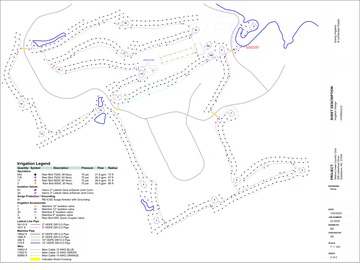
Planning an irrigation system requires a clear understanding of the property, water requirements, equipment placement, and distribution methods. A well-designed system helps deliver water to the right areas while reducing unnecessary waste and installation difficulties. An Irrigation Design Tool provides digital features that make it easier to prepare layouts, organize components, and evaluate different watering arrangements. These tools support a more structured approach to designing irrigation systems for residential, commercial, agricultural, and landscape projects.
Understanding Irrigation Design Tools
An irrigation design tool is a digital solution used to plan and represent watering systems. It helps designers create layouts that show important elements such as property boundaries, planting areas, pipelines, sprinkler heads, valves, pumps, and water sources.
Instead of depending entirely on manual sketches, users can prepare organized drawings with accurate measurements and clearly identified components. They can also modify individual elements as project requirements change.
These tools are useful for both small garden installations and larger irrigation developments where several watering zones and equipment connections must be coordinated.
Creating Organized Irrigation Layouts
A detailed layout is the foundation of a successful irrigation project. Designers first need to understand the property dimensions, landscape features, planting locations, pathways, and areas that require watering.
Digital drawing features help represent these details in a clear format. Users can divide the property into different sections and position irrigation components according to the intended design.
Accurate layouts make it easier to identify areas that may receive insufficient water or excessive coverage. They also help ensure that pipes and equipment are positioned appropriately in relation to existing structures and landscape features.
Planning Water Distribution Efficiently
Water distribution planning involves understanding how much water different areas require and how it should be delivered. Lawns, flower beds, shrubs, trees, and agricultural crops may have different watering needs.
An irrigation design tool helps organize these areas into suitable zones. Grouping locations with similar requirements can make the overall system easier to control and maintain.
Designers can also consider flow rates, water pressure, pipe dimensions, and sprinkler coverage when developing the layout. These factors help determine whether the proposed arrangement can deliver water effectively throughout the property.
Designing Sprinkler and Drip Irrigation Systems
Different irrigation methods serve different purposes. Sprinkler systems are commonly used for lawns, gardens, and open landscapes, while drip irrigation is suitable for delivering water directly near plant roots.
Digital planning tools can represent both types of systems. Sprinkler drawings may include head locations, coverage patterns, pipe connections, and watering zones. Drip irrigation layouts can show distribution lines, emitters, valves, and connection points.
Selecting an appropriate method depends on the landscape, plant requirements, water availability, and installation conditions. A detailed digital plan helps professionals evaluate these considerations before work begins.
Improving Accuracy and Reducing Design Errors
Manual irrigation planning can become complicated when a project contains several zones, multiple pipe routes, and different equipment types. Digital tools help organize these details and reduce the possibility of overlooking important components.
Features such as measurement tools, drawing layers, symbols, and editing functions support consistent documentation. Designers can review the placement of individual elements and make corrections before installation.
Calculations should also be checked against actual site measurements and equipment specifications. Digital assistance improves organization, but professional judgment remains important for reliable results.
Making Project Revisions Easier
Landscape projects often change during the design process. Planting beds may be expanded, pathways may be relocated, or new watering requirements may be introduced.
Digital layouts make these changes easier to manage. Designers can move sprinkler heads, adjust pipe routes, update zone boundaries, and revise measurements without recreating the complete drawing.
Organized documentation also helps contractors and property owners understand the latest design requirements.
Conclusion
Digital irrigation planning makes it easier to develop organized layouts and evaluate water distribution requirements. From arranging sprinkler heads and drip lines to planning pipelines and watering zones, these tools support accuracy and flexibility throughout the design process. With careful planning, suitable calculations, and regular design reviews, professionals can create practical irrigation systems that support healthy landscapes and responsible water use.